Table of Contents
Understanding Installment Loans
How Installment Loans Work
Example: Car Loans
Other Types of Installment Loans
3 Advantages of Installment Loans
When You Should Get An Installment Loan
Installment loans are a type of borrowing that involves repaying a loan amount over a set period of time through regular payments or installments. These payments typically include both principal and interest, with the total amount being repaid at the end of the loan term.
Unlike credit cards or other forms of revolving credit, installment loans have a fixed term with a predetermined repayment schedule. This allows borrowers to budget and plan their payments, making installment loans a popular choice for large expenses such as buying a car, financing a home, or paying for education.
The repayment terms of an installment loan can vary depending on the lender and the borrower’s creditworthiness. The loan amount, interest rate, and repayment period are typically determined at the time of application and may be negotiable.

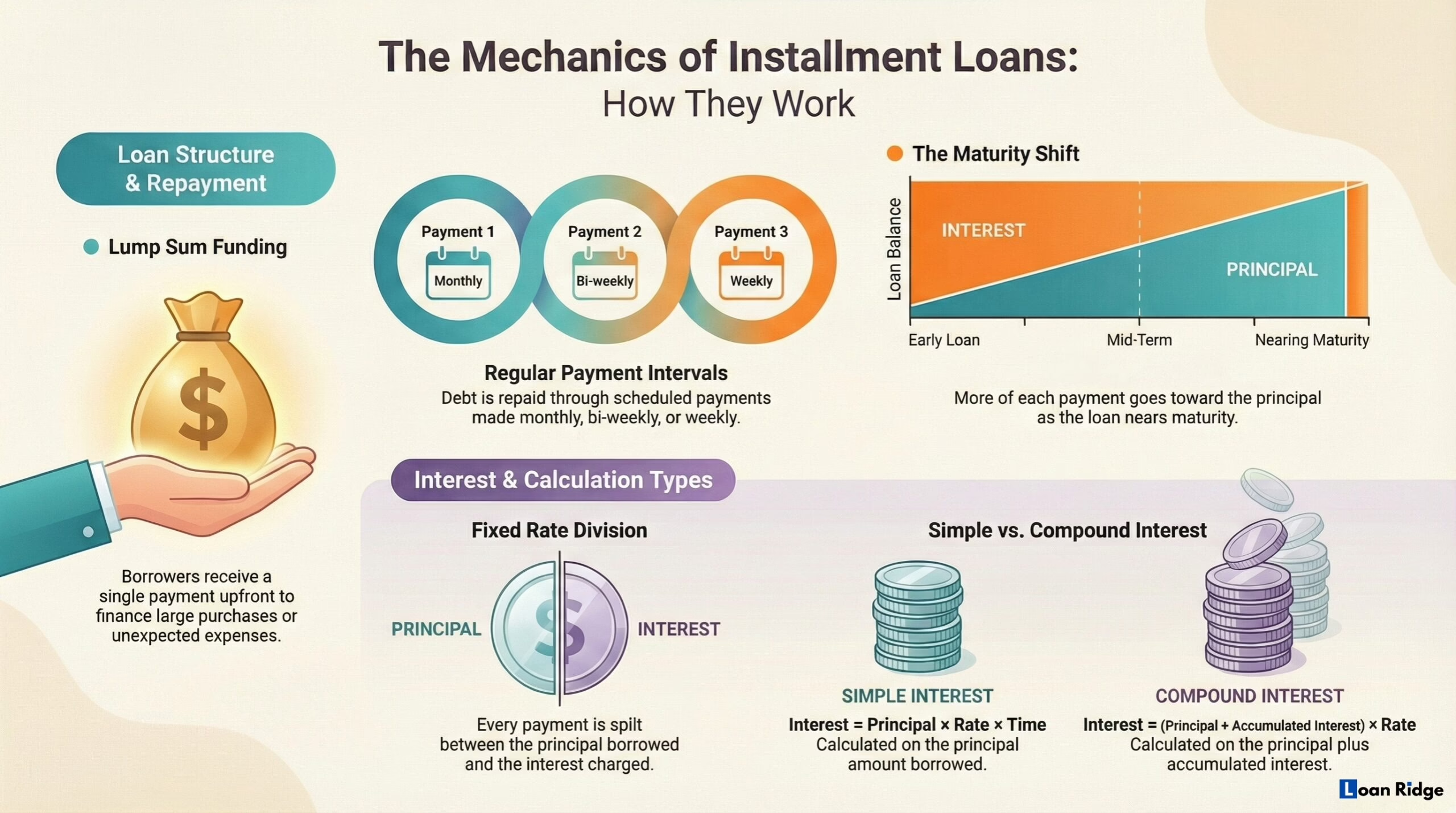
The basic structure of an installment loan involves the borrower receiving a lump sum of money and agreeing to repay it over time through regular payments. The payments are typically made monthly, but can also be bi-weekly or weekly depending on the loan terms.
Each payment is divided into two parts – the principal amount borrowed and the interest charged for the loan. The proportion of the payment that goes towards the principal and interest may vary over time, with more of the payment going towards the principal as the loan nears maturity.
The interest rate for an installment loan is often fixed and can be either simple or compound interest. Simple interest is calculated on the principal amount borrowed, while compound interest is calculated on the principal amount and any previously accumulated interest.
Overall, installment loans can be an attractive option for borrowers who need to finance large purchases or unexpected expenses. By understanding how installment loans work, borrowers can make informed decisions about their borrowing needs and repayment capabilities.
One common type of installment loan is a car loan. Auto financing can be a helpful option for individuals who need to purchase a vehicle but do not have the funds to do so upfront. With a car loan installment plan, borrowers can obtain the necessary funds and repay the loan over a set period of time through regular payments.
The loan amount for a car loan installment plan typically covers the purchase price of the vehicle. The repayment period can vary but is usually between two to seven years. Interest rates may also fluctuate, depending on the borrower’s credit score and other factors.
When a borrower takes out a car loan, the terms and conditions of the loan are outlined in a contract. This agreement will state the interest rate, repayment schedule, and any potential penalties for late payments or defaulting on the loan.
One benefit of a car loan installment plan is the ability to obtain a vehicle while spreading out the payments over time. This can make the purchase more manageable for individuals who cannot afford to pay the full price upfront. Additionally, consistent on-time payments can help build credit history.

It’s important to note that not all car loans are structured as installment loans. Some lenders may require borrowers to make larger balloon payments or offer other types of financing options. It’s essential to understand the specific terms of any loan agreement before signing on the dotted line.
Installment loans come in several forms beyond car loans. Installment loans allow borrowers to receive a lump sum and repay it through scheduled payments over time, usually monthly, making them a common option for large purchases or major expenses.

There are several advantages to using installment loans, which make them a popular choice for borrowers.
One of the key benefits of installment loans is the flexibility they offer in terms of repayment. Borrowers can typically choose from a range of repayment periods, allowing them to find a term that fits their budget and financial situation.
Another advantage of installment loans is their predictable nature. With fixed monthly payments over the loan term, borrowers can easily plan their budgets and avoid surprises or sudden changes in their payment obligations.
Installment loans can also provide an opportunity to build or improve credit history. Consistent and timely repayment of installment loans can help boost credit scores, making it easier to obtain credit in the future.
Overall, installment loans offer a range of benefits over other forms of borrowing. With their flexibility, predictability, and potential credit-building opportunities, they can be a smart choice for individuals looking for a reliable borrowing option.

Installment loans are a flexible borrowing option that allows individuals to obtain a specific amount of money and repay it over time through regular installments. By providing an example of a car loan and touching on other common types of installment loans, we have highlighted the versatility of this borrowing option.
When considering an installment loan, it’s important to keep in mind factors such as repayment terms, interest rates, and specific terms and conditions associated with each type of loan. Other types of installment loans, such as personal loans, mortgage loans, and student loans, offer distinct features and purposes.
Despite interest rates, installment loans have potential benefits, including flexibility in repayment, predictable monthly payments, and the potential to build credit history over time. However, it’s important to consider your financial situation and needs before opting for an installment loan.
LoanRidge offers no credit check installment loans in Texas, Missouri, and Utah. Applying takes minutes and won’t affect your FICO score.

Written by
Consumer Lending Analyst | Loan Research Specialist
Michael has spent ten years analyzing consumer loan products, lender practices, and borrower outcomes. He previously worked in regulatory compliance at a consumer finance company and now focuses on research-based content that helps borrowers understand the lending landscape from both a product and a regulatory perspective.
